Understanding the Link Between Anxiety and PCOS
Jan 07, 2026
Polycystic Ovary Syndrome (PCOS) is a common endocrine disorder affecting women of reproductive age, known for its physical symptoms like irregular periods, acne, and weight gain. However, beyond these visible signs, many women with PCOS also struggle with anxiety and depression symptoms that significantly impact their mental health and quality of life. This guide explores the strong connection between anxiety and PCOS, the underlying causes, and effective strategies to manage mental health concerns associated with this condition.
How Common is Anxiety in Women with PCOS?
Multiple studies, including recent systematic reviews and meta-analyses, have confirmed that women with polycystic ovarian syndrome (PCOS) experience anxiety and depression symptoms at significantly higher rates than women without the condition. Women with PCOS are nearly seven times more likely to experience moderate to severe anxiety symptoms compared to healthy women. One cross-sectional study showed that 57% of PCOS women met clinical criteria for anxiety, with many experiencing symptoms without a formal diagnosis.
The high prevalence of anxiety and depressive disorders in women with PCOS highlights the increased risk of mood disorders and other psychiatric disorders associated with this endocrine and metabolic syndrome. Women with PCOS often experience severe anxiety and affective symptoms, sometimes without realizing the connection to their hormonal imbalances or metabolic syndrome. Despite its prevalence, anxiety in PCOS remains underdiagnosed and undertreated, leading to a significant impact on health-related quality of life.
Understanding the diagnostic criteria and clinical symptoms of anxiety and depression in women with polycystic ovary syndrome is crucial for mental health professionals to provide appropriate care and support. Early recognition and intervention can help mitigate long-term health risks associated with untreated mood dysfunction in PCOS women.
Prevalence of Anxiety and Depression in Different PCOS Populations
Previous research has shown that the prevalence of anxiety and depression symptoms varies among PCOS women depending on factors such as body mass index (BMI). For instance, overweight and obese women with PCOS tend to report higher rates of depression and anxiety compared to normal-weight women. However, some studies indicate that even obese women without PCOS experience elevated anxiety and depression, suggesting that obesity itself is a significant contributor to mental health concerns.
A control group consisted of healthy women matched for age and BMI often helps clarify the distinct impact of PCOS on mental health. Statistical analyses from several randomized controlled trials have demonstrated that women with PCOS have higher depression scores on standard depression scales compared to controls, confirming the increased risk of major depression and mild anxiety in this population.
Why Are Anxiety and PCOS So Closely Linked?
There are several possible explanations for why PCOS and anxiety are so deeply connected—and most involve an interplay of hormonal, psychological, and social factors.
1. Hormonal Imbalances and Androgen Excess
Polycystic ovary syndrome (PCOS) is characterized by disruptions in hormones such as insulin, androgens (including testosterone), and cortisol. Androgen excess is a hallmark of PCOS and has been linked to mood dysfunction. These hormonal imbalances influence brain chemicals that regulate mood, including serotonin, dopamine, and GABA. Such disruptions can increase susceptibility to anxiety, panic, and depressive symptoms, contributing to mental disorders commonly seen in women with PCOS.
2. Inflammation, Insulin Resistance, and Stress Response
Chronic low-grade inflammation, prevalent in PCOS, activates the body's stress system (the hypothalamic-pituitary-adrenal axis), leading to elevated cortisol levels and perpetuating anxiety symptoms. Insulin resistance, common in PCOS, is associated with high blood pressure and metabolic syndrome, which may further exacerbate mood disorders. Research indicates that women with PCOS often exhibit an exaggerated physiological response to perceived stress compared to healthy controls, which may elevate their depression risk and exacerbate depression severity.
3. Psychosocial Stressors and Body Image
PCOS symptoms such as acne, hirsutism, infertility, weight gain, and changes in body mass index can significantly impact women's body image and self-esteem. These clinical features often lead to adverse emotions, social anxiety, and lowered quality of life, contributing to psychological disorders, including depressive symptoms and anxiety, compared to women without PCOS. The presence of symptoms on one or both ovaries and resultant hormonal imbalances can intensify these psychosocial stressors.
4. Infertility and Identity
As PCOS is the leading cause of anovulatory infertility, many women face chronic stress and emotional distress related to fertility challenges. Women with infertility and PCOS report higher rates of anxiety and depression symptoms, highlighting the psychological burden associated with reproductive health issues. This infertility-related stress is a significant contributor to moderate anxiety and severe depressive symptoms in this population.
The Role of Resilience and Coping Style in Anxiety and PCOS
Not all women with polycystic ovary syndrome (PCOS) experience anxiety and depression symptoms in the same way. Two important factors influence how women with PCOS manage mental health disorders related to anxiety and depression: ego-resiliency and coping style.
Ego-Resiliency
Ego-resiliency refers to the ability to adapt emotionally and cognitively to stress with flexibility. Women with low ego-resiliency tend to have a harder time recovering from stressful experiences and are more prone to anxiety and depression symptoms. Research shows that women with PCOS often have lower levels of ego-resiliency compared to healthy women, which may contribute to increased anxiety and depression severity in this population.
Coping Style
Coping strategies significantly impact mental health outcomes in women with PCOS. Studies indicate that women with PCOS are more likely to rely on passive coping mechanisms—such as avoidance, emotional withdrawal, or self-blame—compared to healthy controls. These passive strategies are linked to higher anxiety scores and more severe depression symptoms. Conversely, active coping styles—like problem-solving, seeking social support, practicing mindfulness, or engaging in lifestyle modification programs—are associated with better mental health outcomes and reduced anxiety and depression severity.
Understanding the interplay between ego-resiliency and coping styles is crucial for mental health professionals and reproductive medicine specialists working with women with PCOS. Interventions such as cognitive behavioral therapy and lifestyle modification programs can enhance active coping skills and build resilience, ultimately improving anxiety and depression symptoms and overall women's health.
Incorporating assessment of coping strategies and resilience into clinical practice can help identify women with PCOS at higher risk for severe anxiety and depression, enabling timely and targeted therapeutic interventions.
Recognizing the Symptoms of Anxiety in PCOS
Anxiety in women with polycystic ovary syndrome (PCOS) may not always present as classic anxiety but can manifest in various ways, including:
- Constant rumination or “what if” thinking
- Panic attacks or physical symptoms such as heart racing and shortness of breath
- Sleep disorders and disturbances
- Irritability or mood swings
- Trouble concentrating or cognitive difficulties
- Feeling overwhelmed by daily tasks
- Low self-esteem or excessive self-consciousness related to body image and PCOS symptoms
If you’re experiencing any of these symptoms regularly, it may be time to evaluate your stress response and hormonal health, especially considering the increased risk of anxiety and depression symptoms in women with PCOS.

Lifestyle Changes and Mental Health Management in PCOS
Lifestyle modification programs are foundational in managing PCOS symptoms and associated mental health disorders. Previous studies have shown that regular exercise can reduce symptoms of anxiety and depression in women with PCOS. In addition, dietary changes such as increasing vegetable and legume intake and adopting a high-protein, low-refined-carb diet may help improve mood and reduce depressive symptoms.
Sleep disorders, which are common in PCOS, also significantly correlate with anxiety severity. Addressing sleep quality through good sleep hygiene and, if necessary, medical intervention can improve mental health outcomes.
Medical and Complementary Treatments for Anxiety in PCOS
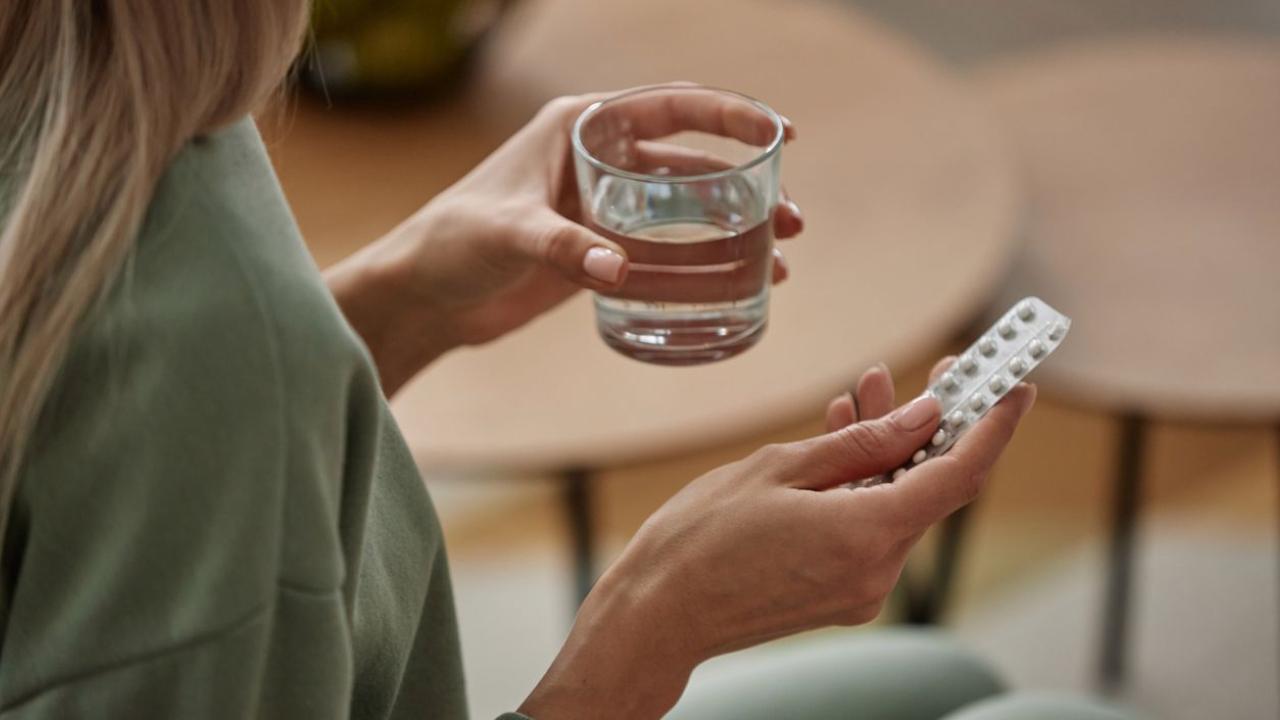
Medications such as metformin, which improve insulin sensitivity, have been shown to reduce depressive symptoms in women with PCOS. Selective serotonin reuptake inhibitors (SSRIs) and other psychiatric medications may also be beneficial but require careful evaluation by mental health professionals.
Complementary therapies like acupuncture and mindfulness-based cognitive behavioral therapy (CBT) have demonstrated efficacy in reducing anxiety and depression symptoms in PCOS populations. Omega-3 fatty acid supplementation and vitamin D have also been linked to improved mood.
The Gut-Brain Axis and Mental Health in PCOS
Emerging research highlights the role of gut dysbiosis in PCOS, which may negatively affect the gut-brain axis and contribute to mental health disorders. Supporting gut health through probiotics, digestive enzymes, and mindful eating practices may offer additional benefits in managing anxiety and depression symptoms.
This Is More Than Symptom Management. It’s a Return to You.
If you’ve been told that anxiety is just “in your head,” or that it’s unrelated to your hormones—you deserve better answers.
Your emotional well-being is just as important as your physical health. The link between anxiety and PCOS (polycystic ovary syndrome) is real, and with the right support from mental health professionals and lifestyle modification programs, it can be managed effectively.
If you’re ready to explore a more integrative, root-cause path to healing—addressing hormonal imbalances, insulin resistance, and stress response—you’re not alone.
Want to take the first step? Book a free 15-minute discovery call and learn how we support anxiety and PCOS with a whole-person, root-cause approach that goes beyond symptom management to improve your mental health and quality of life.
Sources:
https://academic.oup.com/humrep/article/32/5/1075/3064352
https://link.springer.com/article/10.1007/s00737-020-01043-x
https://www.fertstert.org/article/S0015-0282(24)00021-9/fulltext
https://www.cambridge.org/core/journals/psychological-medicine/article/abs/depression-anxiety-and-perceived-stress-in-women-with-and-without-pcos-a-communitybased-study/15A4D8B7B220768BC06639B4DAB98D72
https://www.fertstert.org/article/S0015-0282(18)30064-5/fulltext
https://pmc.ncbi.nlm.nih.gov/articles/PMC9319705/
https://pubmed.ncbi.nlm.nih.gov/22127370/
https://www.sciencedirect.com/science/article/pii/S0015028209036978
https://www.nature.com/articles/s41598-024-63166-w
https://pmc.ncbi.nlm.nih.gov/articles/PMC3752890/
https://pmc.ncbi.nlm.nih.gov/articles/PMC8706568/
https://pmc.ncbi.nlm.nih.gov/articles/PMC7907178/
https://www.ifm.org/podcast/nutrition-anxiety-mental-wellness
https://www.nature.com/articles/s41598-024-76361-6
https://www.sciencedirect.com/science/article/abs/pii/S1389945724003058?via%3Dihub
https://www.sciencedirect.com/science/article/abs/pii/S016517811630909X?via%3Dihub
https://www.sciencedirect.com/science/article/abs/pii/S0165032722004955?via%3Dihub
https://journals.lww.com/bsam/fulltext/2019/04000/the_effects_of_dietary_improvement_on_symptoms_of.7.aspx
https://onlinelibrary.wiley.com/doi/10.1155/2012/809653
Unlock Your Hormone Health With Our Free Checklist
You deserve to know what is going on with your body and to understand why (or even IF) you have hormonal imbalances.
So we created this FREE resource to help guide you with some of the top labs and tests to consider.