The Best PCOS Meal Plan for Hormone Balance
Feb 20, 2026
If you’ve ever tried putting together a PCOS meal plan to manage your polycystic ovary syndrome (PCOS), you know how overwhelming it can be. There’s so much conflicting advice on which is best for PCOS. Should you go with low-carb, keto, gluten-free or dairy-free?
The good news is that a balanced diet for PCOS focuses on nourishing foods that help stabilize blood sugar, reduce symptoms, support hormone health, and promote fertility. There’s really no need to be extreme with cutting out entire food groups.
Let’s dig into the key nutrition principles behind an effective PCOS meal plan that can help you feel your best.
Why Nutrition Matters So Much for PCOS
PCOS (Polycystic Ovary Syndrome) is a common hormonal disorder that deeply involves insulin resistance, inflammation, and metabolic dysfunction. That’s why a carefully planned PCOS meal plan focusing on nutrient-rich foods can have a powerful impact on managing this condition.
A well-structured PCOS meal plan can help:
- Stabilize blood sugar
- Regulate menstrual cycles
- Support ovulation
- Lower androgen levels
- Support hormone balance and fertility
What to Include in a PCOS Meal Plan
Balanced Macronutrients
If you have PCOS, one of the best things you can do is build balanced meals that keep your blood sugar steady. That means combining:
- Lean proteins (chicken breast, eggs, lentils, tofu, grilled chicken)
- Healthy fats (avocado, olive oil, seeds, nuts)
- Complex carbs and fiber-rich whole grains (quinoa, brown rice, whole wheat pasta, sweet potatoes, berries)
- Fiber-rich non-starchy vegetables (leafy greens, chia seeds, cruciferous veggies, green beans, snow peas, baby carrots)
This combination helps you avoid blood sugar spikes, reduce cortisol levels, and keep cravings in check.
Anti-Inflammatory Foods
Inflammation plays a major role in polycystic ovary syndrome (PCOS) and can worsen symptoms like anxiety, bloating, and fatigue. Your PCOS meal plan should focus on:
- Omega-3-rich fatty fish (like salmon or sardines)
- Colorful fruits and vegetables
- Herbs like turmeric and ginger
- Whole grains and legumes (black beans, lentils)
These nutritious foods help calm the nervous system, support gut health, and create a hormonal environment more conducive to regular cycles and fertility.
Supportive Meal Timing
New research shows that eating more of your calories earlier in the day (and less at night) may improve ovulation in PCOS. Skipping meals or waiting too long to eat can spike cortisol and worsen anxiety.
Aim for:
- Consistent meal timing (every 3–5 hours)
- Eating a bigger breakfast and lunch
- Avoiding late-night snacking and processed snacks
Supportive Supplements
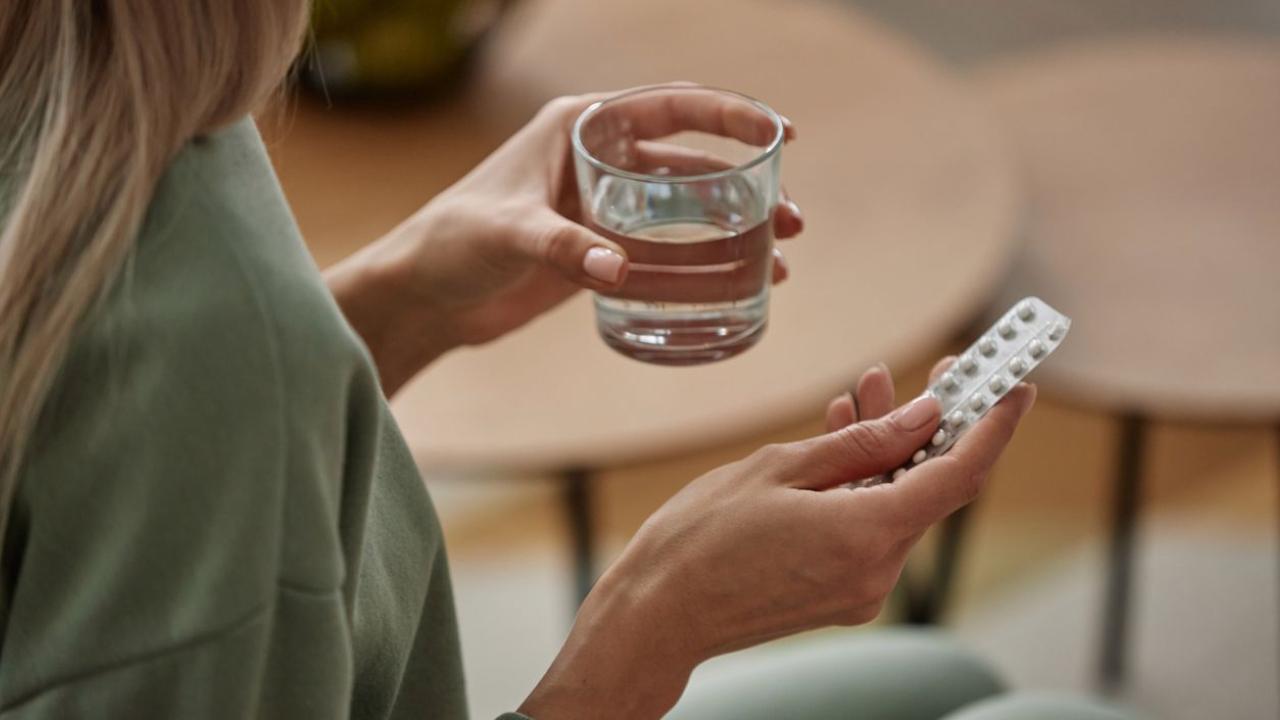
In addition to a balanced diet, certain supplements may support hormone balance and symptom management in PCOS. Some commonly recommended supplements include:
- Inositol (myo-inositol and d-chiro-inositol): Helps improve insulin sensitivity and may support ovulation.
- Vitamin D: Many with PCOS have low vitamin D levels. In this case, supplementation can aid in hormone regulation.
- Omega-3 fatty acids: Support anti-inflammatory processes and may improve lipid profiles.
- Magnesium: Supports blood sugar regulation and reduces inflammation.
- N-acetylcysteine (NAC): May improve insulin resistance and ovulation rates.
Before starting any supplements, it’s best to consult with a healthcare practitioner to tailor choices to your individual needs and avoid interactions with medications. Supplements can be a helpful complement to a nutrient-rich meal plan.
What to Limit or Avoid
You don’t need to be perfect, but minimizing the following foods can make a big difference in managing PCOS symptoms:
- Refined Carbs, Added Sugars & Processed Snacks: These spike your blood sugar and make insulin resistance worse. Think: white bread, pastries, soda, energy drinks, and sweetened coffee drinks.
- Fried Foods & Trans Fats: Found in french fries, fried chicken, fast food, and packaged snacks, these fats increase inflammation and disrupt hormone production.
- Alcohol: Alcohol can interfere with blood sugar control and interfere with sleep quality. It also depletes key nutrients like B vitamins and magnesium (both of which are important for hormone balance).
How PCOS, Anxiety & the Gut are Connected
What many don’t know is that PCOS can affect your mood and mental health, too.
Studies show that women with polycystic ovary syndrome (PCOS) are significantly more likely to experience anxiety, and much of that has to do with blood sugar swings, inflammation, and even gut health.
A well-designed PCOS meal plan can help improve symptoms by:
- Balancing blood sugar to stabilize mood and reduce anxiety
- Supporting microbiome diversity with prebiotic fibers found in nutrient-rich foods
- Reducing inflammatory foods that negatively affect cortisol and serotonin levels
By focusing on a diet that supports gut health and hormone balance, your food can be a powerful tool to feel calmer and more balanced.
Want a Done-for-You PCOS Meal Plan?
Ready to stop guessing what to eat and start feeling better in your body with a proven PCOS meal plan?
Download my free 7-Day PCOS Meal Plan! It’s packed with delicious, hormone-friendly recipes that support blood sugar balance and reduce PCOS symptoms.
Inside, you’ll get:
- A full week of PCOS-supportive meals (breakfast, lunch, dinner + snacks) designed to stabilize blood sugar and promote hormone health
- My top nutrition tips for balancing hormones, improving insulin resistance, and boosting fertility
Whether you’re newly diagnosed with PCOS or managing it long-term, this plan will help you take the first step toward steady energy, clearer skin, improved cycles, and feeling like yourself again.
>> DOWNLOAD YOUR FREE PCOS MEAL PLAN HERE! <<
Final Thoughts
You don’t need to go on a restrictive diet to manage PCOS. Instead, focus on adopting a balanced diet that includes nutrient-rich, whole foods to support hormone balance and improve PCOS symptoms. Small shifts in your eating habits, such as incorporating lean proteins, healthy fats, fiber-rich whole grains, and non-starchy vegetables, can lead to big changes in how you feel.
Remember, PCOS affects many aspects of your health, from insulin resistance to irregular periods, but your plate is one of the most powerful tools to support your metabolism, mood, and overall well-being.
Sources
https://pmc.ncbi.nlm.nih.gov/articles/PMC10544455/
https://pmc.ncbi.nlm.nih.gov/articles/PMC4200666/
https://pmc.ncbi.nlm.nih.gov/articles/PMC6813541/
https://pmc.ncbi.nlm.nih.gov/articles/PMC8605070/
https://pmc.ncbi.nlm.nih.gov/articles/PMC3278381/
https://pmc.ncbi.nlm.nih.gov/articles/PMC6139832/
https://www.ncbi.nlm.nih.gov/books/NBK518983/
https://pmc.ncbi.nlm.nih.gov/articles/PMC7610103/
https://pubmed.ncbi.nlm.nih.gov/12113629/
https://pubmed.ncbi.nlm.nih.gov/16958313/
https://pmc.ncbi.nlm.nih.gov/articles/PMC3854275/
https://www.sciencedirect.com/science/article/pii/S0002916523660629
https://pmc.ncbi.nlm.nih.gov/articles/PMC4731857/
https://pmc.ncbi.nlm.nih.gov/articles/PMC8711096/
https://www.sciencedirect.com/science/article/abs/pii/S0939475321003197
https://pmc.ncbi.nlm.nih.gov/articles/PMC2676844/
https://pmc.ncbi.nlm.nih.gov/articles/PMC3740748/
https://pmc.ncbi.nlm.nih.gov/articles/PMC9228591/
https://pmc.ncbi.nlm.nih.gov/articles/PMC11510381/
https://www.sciencedirect.com/science/article/pii/S2589555923002951
https://pmc.ncbi.nlm.nih.gov/articles/PMC12094962/
https://pmc.ncbi.nlm.nih.gov/articles/PMC7890810/
https://pmc.ncbi.nlm.nih.gov/articles/PMC3752890/
https://pmc.ncbi.nlm.nih.gov/articles/PMC4516387/
Unlock Your Hormone Health With Our Free Checklist
You deserve to know what is going on with your body and to understand why (or even IF) you have hormonal imbalances.
So we created this FREE resource to help guide you with some of the top labs and tests to consider.