Top Strategies on How to Calm Sympathetic Nervous System and Reduce Stress
Jan 06, 2026
If you’ve been feeling constantly on edge, overwhelmed, or exhausted, your sympathetic nervous system (SNS) may be in overdrive. The SNS, also known as the “fight or flight” system, is designed to help us react quickly to danger. But in today’s world, chronic stress can keep this system activated far too often, leading to anxiety, chronically high cortisol levels, poor digestion, and sleep disturbances.
The good news? You can bring your nervous system back into balance. By learning how to calm the sympathetic nervous system function, you can help your body shift into a more relaxed, resilient state and reduce the negative effects of stress on your health.
Recognizing an Overactive Sympathetic Nervous System
When the sympathetic nervous system stays on high alert, it can show up in both physical and emotional symptoms, signaling nervous system overload. Common signs include:
- Racing heart, high blood pressure, or heart palpitations
- Tension headaches or jaw clenching
- Shallow breathing or feeling like you can’t take a deep breath
- Digestive issues like bloating, nausea, or constipation
- Difficulty sleeping, restlessness, or waking up wired
- Feeling easily overwhelmed, anxious, or reactive
These symptoms occur because the sympathetic nervous system activates the body’s fight-or-flight response, releasing stress hormones such as adrenaline and cortisol. This triggers physiological changes, including increased heart rate, elevated blood pressure, muscle tension, and slowed digestive system function. While this response is a vital survival mechanism designed to help you respond appropriately to perceived threats, chronic activation can lead to an overactive nervous system that negatively impacts both physical health and mental health.
For example, ongoing sympathetic nervous system activity can contribute to chronic inflammation, digestive problems, and cardiovascular disease, as well as anxiety and mood disturbances. The adrenal glands play a key role by producing stress hormones during this process, keeping the body in a heightened state of alert even when the threat passes.
Recognizing these common signs is the first step toward addressing the underlying cause of your symptoms. If you notice these patterns, it’s essential to support your body’s ability to shift from this tense, high-alert state into a more relaxed state by activating the parasympathetic system. This balance between the two systems is essential for restoring nervous system regulation and overall well-being.
Deep Breathing Techniques for Immediate Relief
One of the most effective ways to calm the nervous system is through deep, intentional breathing. When you breathe deeply, you activate the vagus nerve, which signals your body that it’s safe to relax and helps slow down the sympathetic nervous system.
How to Calm the Sympathetic Nervous System with Deep Breathing
Also called diaphragmatic or belly breathing, this technique stimulates the parasympathetic nervous system, which is responsible for the “rest and digest” response. This helps slow your heart rate, lower blood pressure, and reduce stress hormones like cortisol.
To practice diaphragmatic breathing:
- Sit or lie down comfortably. Place one hand on your belly and the other on your chest.
- Inhale slowly through your nose, letting your belly rise as you fill your lungs with air. Your chest should stay relatively still.
- Exhale slowly through your mouth, feeling your belly fall as you release the air.
- Repeat this for 2 to 5 minutes, focusing on slow, steady breaths.
Regular practice of this technique can help reduce anxiety, ease muscle tension, improve digestion, and bring a calming effect to your body and mind.
Physiological Sigh
Another powerful breathing method is the physiological sigh. This technique helps quickly release built-up stress by clearing excess carbon dioxide from your body and activating the relaxation response.
Here’s how to do it:
- Take two quick, gentle inhales through your nose, filling your lungs fully.
- Follow with a long, slow exhale through your mouth.
- Repeat this cycle 2 to 3 times.
The physiological sigh is especially helpful when you’re feeling overwhelmed, after a tense conversation, or before going to sleep. It acts like a reset button for your nervous system, helping you feel more relaxed and centered.
How to Calm the Sympathetic Nervous System Through Movement
Movement is one of the best ways to shift your nervous system out of fight-or-flight mode and into a more relaxed state. Physical activity helps lower stress hormones like cortisol, reduce muscle tension, and improve blood flow, which supports overall nervous system balance.
Gentle Exercises
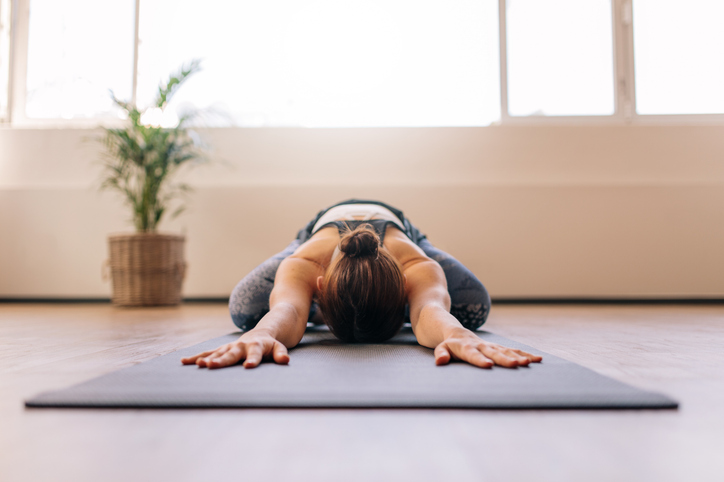
Gentle, mindful exercises such as yoga, Tai Chi, and Qigong combine slow movements with deep breathing. These practices stimulate the parasympathetic nervous system, which promotes relaxation and helps calm the sympathetic system. Yoga poses like child’s pose, forward folds, and spinal twists gently release tension stored in the body and signal your brain that it’s safe to relax.
Regular practice of these low-impact activities can reduce inflammation caused by chronic stress and support long-term nervous system health.
Walking Barefoot (Earthing)
Walking barefoot on natural surfaces like grass, sand, or soil—known as earthing or grounding—can have a calming effect on your nervous system. Direct contact with the earth’s surface helps balance your autonomic nervous system by stabilizing heart rate and lowering cortisol levels.
Spending even a few minutes a day walking barefoot outside can help you feel more grounded, reduce feelings of anxiety, and improve your overall sense of well-being.
Brisk Walking and Mild Exercise
Engaging in mild exercise such as a brisk walk is another effective way to calm the sympathetic nervous system. Physical activity increases blood circulation and encourages the release of endorphins, the body’s natural mood boosters. It also helps regulate the autonomic nerves that control your stress response.
Try to incorporate at least 20 to 30 minutes of mild exercise into your daily routine to help your body feel calm and maintain nervous system balance.
By including these movement-based practices in your daily routine, you can help your nervous system function properly, reduce the effects of chronic stress, and feel more calm and balanced throughout your day.
Dietary Changes for Nervous System Health
What you eat has a big impact on your stress levels, gut health, and how well your nervous system works. Eating the right foods can help lower cortisol (a stress hormone), reduce inflammation, and make you feel more emotionally strong.
Nutrient-Dense Foods to Support Your Nervous System
Certain nutrients help calm your nervous system and keep it healthy. Foods rich in magnesium, omega-3 fatty acids, and B vitamins are especially good. For example:
- Leafy green vegetables like spinach and kale provide magnesium and other minerals that help your body relax.
- Healthy fats found in avocados, nuts, and wild-caught fish support brain health and hormone balance.
- Turmeric contains curcumin, a natural compound that helps fight inflammation and protect your nervous system.
Eating a variety of these foods regularly can help keep your nervous system balanced and reduce the effects of stress.
Hydration and Nervous System Balance
Drinking enough water is important for your nerves to send signals properly and for your brain to work well. When you’re dehydrated, you might feel more stressed or anxious. Try to drink at least half your body weight in ounces of water every day. For example, if you weigh 140 pounds, aim for about 70 ounces of water. If you feel very tired or stressed often, adding electrolytes to your water can help keep you balanced.
Limit Sugar and Processed Foods
Eating too much sugar and processed foods can increase inflammation and make your stress response worse. Try to reduce sugary snacks, sodas, and fast food. Instead, choose whole foods like fruits, vegetables, whole grains, and lean proteins. These choices help your body manage stress better and keep your nervous system working properly.
Avoid Excess Caffeine and Alcohol
While a little caffeine can boost alertness, too much can make your nervous system feel overactive and increase anxiety. Similarly, alcohol might seem to relax you at first but can disrupt sleep and nervous system balance in the long run. Try to limit these drinks, especially if you notice they make you feel more stressed or jittery.
By making these simple dietary changes, you can support your nervous system’s health, reduce stress, and improve your overall well-being.

Relaxation Techniques to Activate the Parasympathetic Nervous System
Meditation and Mindfulness
Meditation is a simple but powerful way to help your brain stay calm and focused. When you meditate, you practice paying attention to the present moment without judgment. Even spending just five to ten minutes each day on mindfulness meditation can lower your stress hormone levels, like cortisol, and make you feel more emotionally strong. This helps your body switch from the “fight or flight” response to a more relaxed state.
To get started, find a quiet place, sit comfortably, and focus on your breathing or a soothing word like “calm” or “peace.” When your mind wanders, gently bring your attention back. Over time, this practice can reduce anxiety, improve sleep, and help you handle stressful situations better.
Epsom Salt Baths for Nervous System Support
Taking a warm bath with Epsom salts is a relaxing way to support your nervous system. Epsom salts contain magnesium, a mineral that your body can absorb through the skin. Magnesium helps relax tight muscles and calms the nervous system, which can lower feelings of stress and anxiety.
A warm Epsom salt bath before bedtime can also promote more profound, more restful sleep. This helps your body recover from daily stress and prepares you to face the next day with more energy and calm. To try it, add about two cups of Epsom salts to a warm bath and soak for 15 to 20 minutes. Make sure the water is not too hot to avoid raising your heart rate.
Additional Relaxation Techniques
Besides meditation and baths, there are other ways to activate the parasympathetic nervous system and calm your body:
- Progressive Muscle Relaxation: This involves tensing and then slowly relaxing different muscle groups in your body. It helps release physical tension caused by stress.
- Guided Imagery: Picture yourself in a peaceful place, like a beach or forest, using all your senses to imagine the sights, sounds, and smells. This mental escape can reduce stress and promote relaxation.
- Listening to Soothing Music: Calm music or nature sounds can lower heart rate and blood pressure, helping your nervous system relax.
- Gentle Massage: Massaging your neck, shoulders, or feet can stimulate the vagus nerve and promote a relaxation response.
By regularly practicing these relaxation techniques, you can strengthen your parasympathetic nervous system, helping your body recover from stress more quickly and maintain better nervous system balance overall.
The Importance of Sleep in Nervous System Regulation
Quality sleep is essential for your nervous system to recover and function properly. While you sleep, your body works hard to remove toxins, repair cells, and balance stress hormones like cortisol. Without enough good sleep, your cortisol levels can stay high, which may lead to mood problems, increased anxiety, and a weaker ability to handle stress.
Poor sleep can also keep your sympathetic nervous system stuck in “high alert,” making it harder for your body to relax and recover. On the other hand, good sleep supports the parasympathetic nervous system—the part that helps you rest, digest, and repair.
To improve your sleep and support nervous system regulation, try these tips:
- Limit exposure to blue light from screens (phones, computers, TVs) at least one hour before bedtime, as it can interfere with your body’s sleep signals.
- Stick to a regular sleep schedule by going to bed and waking up at the same time every day, even on weekends.
- Create a calming bedtime routine, such as dimming the lights, drinking herbal tea, or doing gentle stretches to signal your body it’s time to wind down.
- Make your bedroom comfortable (cool, dark, and quiet) to promote deeper, uninterrupted sleep.
- Avoid caffeine and heavy meals close to bedtime, as they can disrupt your ability to fall asleep.
By prioritizing quality sleep, you help your nervous system reset and balance, which can reduce feelings of stress, improve mood, and boost your overall well-being.
Creating a Supportive Environment for Nervous System Health
Strong social connections and supportive relationships are essential for reducing stress. Surrounding yourself with uplifting, understanding people can buffer the effects of chronic stress and promote nervous system healing.
Spending time in nature, practicing gratitude, and engaging in hobbies that bring joy can also help shift your body into a more relaxed, balanced state.
Final Thoughts
If you’re feeling stuck in fight-or-flight mode, learning how to calm sympathetic nervous system function naturally can make a significant difference in your stress levels, mood, and overall health.
By practicing deep breathing, gentle movement, proper nutrition, and relaxation techniques, you can bring your nervous system back into balance and feel more calm, clear, and in control.
Try one small habit today to start shifting your body toward greater nervous system resilience and well-being.
And if you’re looking for more resources on relieving stress and anxiety, I go even more in-depth in my Nervous System Reset.
Sources
https://www.ncbi.nlm.nih.gov/books/NBK542195/
https://www.ncbi.nlm.nih.gov/books/NBK539845/
https://www.health.harvard.edu/staying-healthy/understanding-the-stress-response
https://my.clevelandclinic.org/health/body/23262-sympathetic-nervous-system-sns-fight-or-flight
https://scopeblog.stanford.edu/2023/02/09/cyclic-sighing-can-help-breathe-away-anxiety/
https://www.hss.edu/article_parasympathetic-nervous-system.asp
https://pmc.ncbi.nlm.nih.gov/articles/PMC3917559/#:~:text=Tai Chi and Qigong have been shown,relaxation and decrease sympathetic output.&text=Relaxation interventions are known to,recovery from immune-mediated diseases.
https://pmc.ncbi.nlm.nih.gov/articles/PMC3258094/
https://www.hss.edu/article_parasympathetic-nervous-system.asp
https://www.ninds.nih.gov/health-information/public-education/brain-basics/brain-basics-understanding-sleep
https://www.sciencedirect.com/science/article/pii/S2319417022001585 https://www.sciencedirect.com/science/article/abs/pii/S0306987711003641 https://www.sciencedirect.com/science/article/pii/S2319417022001524 https://pmc.ncbi.nlm.nih.gov/articles/PMC8836729/ https://pubmed.ncbi.nlm.nih.gov/33901506/ https://pmc.ncbi.nlm.nih.gov/articles/PMC7222344/ https://pubmed.ncbi.nlm.nih.gov/17066209/ https://pmc.ncbi.nlm.nih.gov/articles/PMC11013435/ https://pmc.ncbi.nlm.nih.gov/articles/PMC11591838/ https://www.nature.com/articles/nrn3916 https://www.sciencedirect.com/science/article/abs/pii/S0022395617301462 https://bmcpsychology.biomedcentral.com/articles/10.1186/s40359-024-02322-3
Unlock Your Hormone Health With Our Free Checklist
You deserve to know what is going on with your body and to understand why (or even IF) you have hormonal imbalances.
So we created this FREE resource to help guide you with some of the top labs and tests to consider.