Essential List of Foods to Avoid with Ovarian Cysts for Better Reproductive Health
Jan 07, 2026
While many ovarian cysts resolve naturally, some can cause discomfort, hormonal imbalances, or complications. Adopting an ovarian cyst diet by avoiding specific foods can help manage symptoms and promote hormonal balance.
In this comprehensive guide, we explore the essential list of foods to avoid with ovarian cysts, backed by scientific research. Understanding which foods to limit or eliminate can empower you to decrease ovarian cysts and improve your overall well-being.
Understanding Ovarian Cysts and Their Dietary Connections
Ovarian cysts are fluid-filled sacs that develop on or within an ovary, part of the female reproductive organs. While many ovarian cysts are benign and asymptomatic, certain types—especially those associated with polycystic ovarian syndrome (PCOS) or endometriosis—can lead to symptoms such as pelvic pain, bloating, irregular periods, and menstrual cycle disruptions.
Emerging research suggests that diet plays a crucial role in regulating reproductive hormones, reducing inflammation, and improving insulin resistance—all important factors in the development and management of ovarian cysts. Following a balanced diet plan that includes high fibre foods, green leafy vegetables, and healthy fats can help manage PCOS symptoms and decrease ovarian cysts. Conversely, avoiding foods high in refined sugars, fried foods cooked in refined vegetable oils, dark meats, and processed foods may prevent the formation of new ovarian cysts and support the body's hormonal balance.
The Comprehensive List of Foods to Avoid with Ovarian Cysts
1. Refined Sugars and Sugary Foods
- Why to avoid: High sugar intake can lead to insulin resistance and hormonal imbalances, both key factors in causing ovarian cysts and worsening existing cysts, especially in polycystic ovary syndrome (PCOS).
- Examples: Candy, pastries, sugary cereals, sweetened beverages, processed juices, and desserts.
- Supporting research: Diets rich in sugary foods and processed items with a high glycemic index are linked to increased blood glucose spikes and inflammation, contributing to the development of ovarian cysts.
2. Refined Carbohydrates and Simple Carbohydrates
- Why to avoid: These food items are rapidly digested, causing rapid weight gain and insulin surges that exacerbate hormonal imbalances and increase the risk of developing ovarian cysts.
- Examples: White bread, white rice, refined flour pasta, and baked goods made from refined carbohydrates.
- Supporting research: A high intake of refined carbohydrates is associated with inflammation and insulin resistance, factors that contribute to ovarian cyst formation and PCOS symptoms.
3. Alcohol
- Why to avoid: Alcohol disrupts the body’s hormonal balance and liver function, impairing hormone metabolism and increasing the risk of ovarian cyst development and growth of larger cysts.
- Examples: Beer, wine, spirits, and cocktails.
- Supporting research: Limiting alcohol intake supports hormonal balance and may help decrease ovarian cysts.
4. Excessive Caffeine
- Why to avoid: High caffeine consumption can raise estrogen levels and contribute to dehydration and inflammation, which may worsen symptoms and promote new ovarian cysts.
- Examples: Coffee, energy drinks, certain teas, and chocolate.
- Recommendation: Avoid caffeinated beverages or consume in moderation as part of a healthy lifestyle.
5. Inflammatory Oils and Fried Foods
- Why to avoid: Oils high in omega-6 fatty acids and fried foods cooked in refined vegetable oils promote inflammation and rapid weight gain, both linked to worsening ovarian cysts.
- Examples: Corn oil, soybean oil, sunflower oil, french fries, deep fried chicken, and other fried foods.
- Supporting research: Reducing intake of these foods may help manage ovarian cyst symptoms and support weight loss efforts.
6. Foods with Added Hormones or Pesticides
- Why to avoid: Exposure to hormones and pesticides through non-organic meats, dairy, and certain conventionally grown produce can disrupt endocrine function and hormonal balance.
- Recommendation: Opt for organic, hormone-free, and pesticide-free food items when possible to reduce risk.
7. Junk Food and Processed Foods
- Why to avoid: These foods are often high in trans fats, refined sugars, and additives that contribute to inflammation, weight gain, and hormonal imbalances causing ovarian cysts.
- Examples: Packaged snacks, fast food, sugary sodas, and processed meals.
By avoiding the above foods and focusing on a diet rich in healthy foods like green leafy vegetables, whole grains such as brown rice and sweet potatoes, lean proteins, and herbal teas like green tea, you can better manage PCOS symptoms and support reproductive health.
Consult your healthcare provider or a registered dietitian to tailor a diet plan that suits your individual needs and helps you lose weight safely while decreasing ovarian cysts.
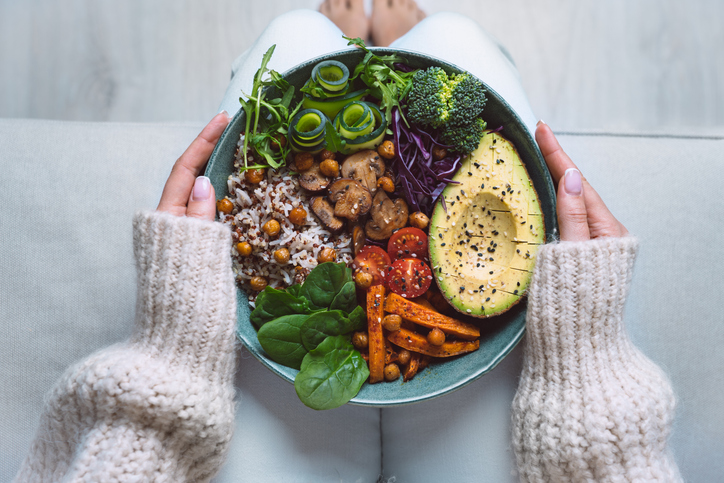
Foods to Embrace for Ovarian Health
While it's crucial to know which foods to avoid, incorporating certain foods can support hormonal balance, manage PCOS symptoms, and promote overall reproductive health:
- High-Fiber Foods: Whole grains like brown rice and fiber-rich vegetables such as brussels sprouts, legumes, fruits, and green leafy vegetables help regulate blood sugar and insulin levels, supporting hormone metabolism and reducing the risk of developing ovarian cysts.
- Lean Proteins: Sources like fish, poultry, and plant-based proteins provide essential nutrients without excessive saturated fats, aiding in weight management and hormonal balance.
- Healthy Fats: Avocados, nuts, seeds, olive oil, and other healthy fats offer anti-inflammatory benefits that help decrease ovarian cysts and improve reproductive health.
- Anti-Inflammatory Spices: Turmeric, ginger, and cinnamon can help reduce systemic inflammation associated with ovarian cysts and polycystic ovary syndrome.
- Vitamin D-Rich Foods: Fatty fish, fortified low-fat milk, dairy alternatives, and egg yolks support hormonal health and reproductive function.
Incorporating these healthy foods into your ovarian cyst diet, alongside avoiding processed foods and sugary foods, can help manage PCOS symptoms and promote a healthy lifestyle tailored to reproductive health. If you’re having trouble consuming enough healthy fats or vitamin D rich foods, then supplementation can help. Consult a healthcare professional for personalized guidance on managing ovarian cysts through diet and supplementation.
Final Thoughts
Managing ovarian cysts effectively requires a multifaceted approach, with diet being a crucial component. By adhering to the essential list of foods to avoid with ovarian cysts, you can support hormonal balance, reduce inflammation, and promote overall reproductive health. Incorporating a well-planned ovarian cyst diet that limits processed foods, sugary foods, red meat, fried foods, and excessive caffeine can significantly help in managing PCOS symptoms and decreasing ovarian cysts.
Remember that individual responses to foods may vary, so it is important to consult healthcare professionals for personalized guidance. Tailoring your diet plan to your specific needs will optimize your reproductive health and aid in managing ovarian cysts effectively.
If you're ready to take control of your ovarian health, book a free discovery call with our experts today. Together, we can create a personalized plan to help you manage ovarian cysts and improve your well-being.
Sources:
https://www.nhs.uk/conditions/ovarian-cyst/
https://pubmed.ncbi.nlm.nih.gov/29308444/
https://pmc.ncbi.nlm.nih.gov/articles/PMC8092397/
https://pubs.acs.org/doi/10.1021/envhealth.4c00243
https://pmc.ncbi.nlm.nih.gov/articles/PMC1764867/
https://pubmed.ncbi.nlm.nih.gov/20432731/
https://pmc.ncbi.nlm.nih.gov/articles/PMC4085920/
https://pmc.ncbi.nlm.nih.gov/articles/PMC3139237/
https://pubmed.ncbi.nlm.nih.gov/24774066/
https://pubmed.ncbi.nlm.nih.gov/34498184/
https://pubmed.ncbi.nlm.nih.gov/12146851/
https://pmc.ncbi.nlm.nih.gov/articles/PMC2581636/
https://pubmed.ncbi.nlm.nih.gov/17291231/
https://pubmed.ncbi.nlm.nih.gov/12969583/
https://pmc.ncbi.nlm.nih.gov/articles/PMC3068494/
https://pmc.ncbi.nlm.nih.gov/articles/PMC2744625/
https://pmc.ncbi.nlm.nih.gov/articles/PMC6208085/
https://pmc.ncbi.nlm.nih.gov/articles/PMC3066040/
https://pubmed.ncbi.nlm.nih.gov/37146759/
https://pmc.ncbi.nlm.nih.gov/articles/PMC9844343/
https://pmc.ncbi.nlm.nih.gov/articles/PMC8471428/
https://pmc.ncbi.nlm.nih.gov/articles/PMC8648308/
https://pmc.ncbi.nlm.nih.gov/articles/PMC6300410/
Unlock Your Hormone Health With Our Free Checklist
You deserve to know what is going on with your body and to understand why (or even IF) you have hormonal imbalances.
So we created this FREE resource to help guide you with some of the top labs and tests to consider.