Can Birth Control Cause PCOS?
Jan 07, 2026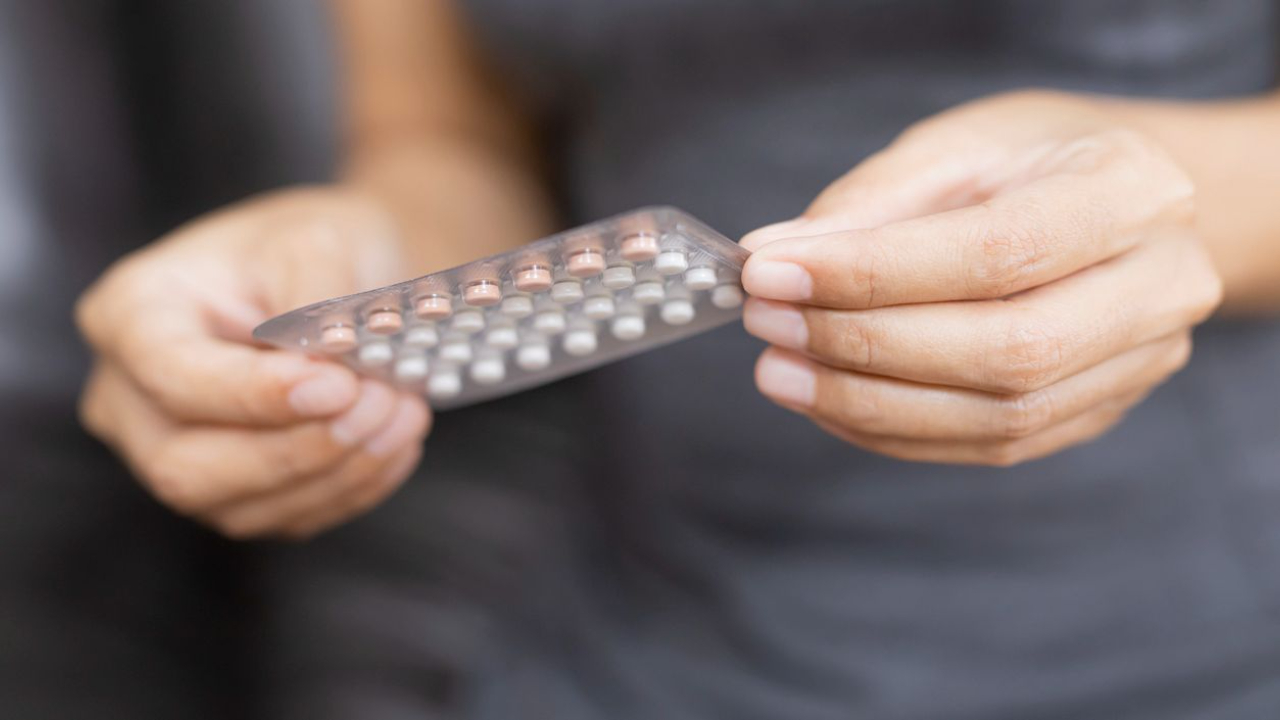
Polycystic Ovary Syndrome (PCOS) is a common hormonal disorder impacting up to 1 in 10 women of reproductive age. A frequent concern is whether birth control pills can cause PCOS or trigger symptoms similar to the condition.
In this article, we’ll clarify the relationship between birth control and PCOS, explain the concept of pill-induced PCOS and post-birth control syndrome, and provide guidance on what to expect when discontinuing birth control pills. Learn how hormonal contraceptives affect reproductive hormones, why symptoms may appear after stopping birth control, and how to support your endocrine system during this transition for optimal women’s health.
First, What Is PCOS?
Polycystic Ovary Syndrome (PCOS) is a complex endocrine disorder that affects ovarian function and hormone production. It is typically diagnosed when two out of the following three symptoms are present:
- Irregular or absent ovulation (very common with menstrual irregularities)
- Physical signs of high androgens, or biomarkers (labs) showing high androgen hormones (e.g., testosterone), causing symptoms like acne, oily skin, excessive hair growth, abnormal hair growth, thinning hair, or male-pattern hair loss
- Polycystic ovaries on ultrasound, characterized by enlarged ovaries with multiple immature follicles
PCOS is also commonly associated with insulin resistance, which impacts insulin secretion and blood glucose regulation, leading to increased insulin levels. This can contribute to weight gain or difficulty maintaining a healthy weight and may increase the risk of metabolic disorders such as type 2 diabetes and high blood pressure.
The exact cause of polycystic ovarian syndrome is not fully understood but is believed to involve a combination of genetics, family history, hormonal imbalances (including luteinizing hormone and follicle-stimulating hormone), insulin resistance, and chronic inflammation.
Proper diagnosis of PCOS requires a healthcare professional to order blood tests to assess hormone levels, insulin sensitivity, and other markers, along with a clinical evaluation and ultrasound when necessary. Early diagnosis and management can help reduce the risk of complications like endometrial cancer and improve overall women's health.
So…Can Birth Control Cause PCOS?
The short answer is no—birth control does not cause PCOS.
In fact, the oral contraceptive pill is often used in treating PCOS symptoms like irregular periods, acne, excess body hair, and mood swings. Combination birth control pills (those containing both estrogen and progestin) can reduce androgen levels, bringing relief to many.
However, confusion often arises after stopping birth control pills, when someone may experience:
- Irregular or absent periods
- Breakouts and oily skin
- Mood changes and increased irritability
- Weight gain or difficulty losing weight
These symptoms can mimic PCOS, but that doesn’t necessarily mean the contraceptive pill caused the condition.
It’s important to understand that hormonal birth control suppresses natural hormone production, including the ovaries' function to produce androgens and regulate the menstrual cycle. When discontinuing birth control, the body needs time to restore ovulation and rebalance hormone levels. During this adjustment period, symptoms resembling PCOS may appear temporarily.
If you suspect you have developed PCOS or are experiencing other symptoms such as ovarian cysts or abnormal hair growth after stopping birth control, consult a healthcare professional for a proper diagnosis. They can order blood tests to check hormone and glucose levels and perform ultrasounds to evaluate ovarian function.
Understanding “Post-Pill PCOS”
Some functional and integrative practitioners refer to this phenomenon as “Post-Pill PCOS,” though it’s not a formal diagnosis in conventional medicine.
Here’s what’s really happening:
Hormonal birth control suppresses your natural hormone production and disrupts the communication between the brain and ovaries (the hypothalamic-pituitary-ovarian axis). When you stop taking birth control pills, your body needs time to restore its own hormone production and rebalance reproductive hormones. During this adjustment period, especially if there were already underlying imbalances such as insulin resistance or excess androgen hormones, PCOS-like symptoms can emerge.
In some cases, birth control pills were simply masking symptoms of polycystic ovary syndrome that were already present but undiagnosed. For others, it may take several months for the menstrual cycle to normalize, and the symptoms may resolve without it being true PCOS.
If symptoms like irregular periods, oily skin, excessive hair growth, or mood swings persist beyond 3 to 6 months after discontinuing birth control, it’s important to see a healthcare professional for a proper PCOS diagnosis. They can order blood tests to measure hormone levels, insulin sensitivity, and glucose levels, and perform ultrasounds to check for polycystic ovaries and ovarian cysts.
Understanding the difference between temporary post-pill symptoms and true polycystic ovarian syndrome is key to managing your reproductive health effectively and avoiding unnecessary worry about pill-induced PCOS.
Birth Control’s Role in PCOS Management from a Naturopathic Perspective
Hormonal birth control can be helpful for many individuals with PCOS by managing symptoms, but it does not address the root causes, such as insulin resistance, inflammation, or hormonal imbalances. Birth control pills primarily:
- Regulate menstrual bleeding and reduce heavy or irregular periods, supporting uterine health
- Lower androgen hormone levels, helping to decrease acne, oily skin, and excessive hair growth
- Reduce the risk of endometrial hyperplasia by preventing the buildup of the uterine lining due to absent ovulation
However, naturopathic care emphasizes the importance of holistic and individualized approaches that focus on restoring hormonal balance naturally. This includes:
- Lifestyle changes such as adopting a nutrient-dense diet rich in complex carbohydrates, healthy fats, and lean proteins to improve insulin sensitivity and support weight management
- Optimizing body composition strategies tailored to reduce insulin resistance and inflammation, which are key contributors to PCOS symptoms
- Herbal and nutritional support to promote liver detoxification and endocrine system regulation, aiding hormone metabolism
- Stress management techniques like mindfulness, acupuncture, and gentle exercise to support the hypothalamic-pituitary-ovarian axis and improve menstrual cycle regularity
- Addressing gut health to reduce systemic inflammation and support metabolic function
For those seeking to manage PCOS symptoms long-term or reduce dependence on hormonal birth control, naturopathic medicine offers effective complementary therapies that target the underlying causes rather than just the symptoms.
What to Watch for After Stopping the Pill
If you recently stopped taking birth control and are wondering whether you have PCOS, give your body 3–6 months to regulate. It's common to experience irregular cycles, oily skin, acne, or excess hair growth during this time. These post-pill symptoms do not necessarily mean you have developed PCOS.
If symptoms persist beyond 3 to 6 months, or you meet the criteria to diagnose PCOS—such as irregular or absent ovulation, abnormal hair growth, acne, or labs showing high testosterone, or polycystic ovaries on ultrasound—consider seeing a healthcare provider. They can evaluate:
- Hormone levels (including luteinizing hormone, follicle-stimulating hormone, testosterone, DHEA, and insulin)
- Blood sugar regulation and insulin resistance
- Thyroid function
- An ultrasound to check if your ovaries produce cysts or have polycystic ovarian morphology
Early evaluation helps manage symptoms like excess hair growth, acne, and irregular cycles effectively and reduces the increased risk of metabolic disorders associated with PCOS.
What You Can Do to Support Hormonal Health Naturally
Whether managing polycystic ovary syndrome (PCOS) or navigating post-pill symptoms, a naturopathic approach to supporting hormonal health can be highly effective. Consider these strategies to help restore balance to your endocrine system and improve overall women's health:
- Balance blood sugar and insulin levels by focusing on protein-rich meals and reducing refined carbohydrates and excess sugars, which can help improve insulin resistance.
- Adopt an anti-inflammatory diet rich in whole foods, healthy fats, complex carbohydrates, and antioxidants to reduce systemic inflammation that can disrupt hormone production.
- Support liver detoxification and gut health, as the liver metabolizes hormones and a healthy gut microbiome aids in hormone elimination. Incorporate cruciferous vegetables, fiber-rich foods, and probiotics to enhance these pathways.
- Manage stress and regulate the nervous system through mindfulness practices, gentle exercise, acupuncture, or yoga, which can positively influence the hypothalamic-pituitary-ovarian axis and promote regular menstrual cycles.
- Prioritize consistent, restorative sleep of 7–9 hours per night to support hormone production and metabolic health.
- Maintain a healthy body weight, as excess body weight can exacerbate insulin resistance and androgen hormone imbalances commonly seen in PCOS.
- Explore complementary therapies such as inositol supplements, omega-3 fatty acids, and herbal support under the guidance of a naturopathic doctor or functional nutritionist to further manage PCOS symptoms and post-pill hormonal adjustments.
Working with a qualified naturopathic practitioner or hormone health expert can help identify your unique hormonal imbalances and develop a personalized plan to restore ovulation, regulate your menstrual cycle, and reduce symptoms like excessive hair growth, oily skin, and mood swings naturally.
Final Thoughts: Can Birth Control Cause PCOS?
While birth control does not cause PCOS, it can suppress your natural hormones—and when you stop using it, any underlying imbalances, such as insulin resistance or elevated testosterone, may become more visible. This doesn’t mean the pill caused your condition, but rather that it may have masked PCOS symptoms until now.
Understanding the nuances between temporary post-pill symptoms and true polycystic ovary syndrome is key to choosing the right treatment path. If you experience persistent irregular periods, excessive hair growth, or other PCOS symptoms after discontinuing birth control, consult with a knowledgeable healthcare professional for a proper diagnosis and management plan tailored to you.
To take control of your health, download our free resource: Top Labs to Test for PCOS. This guide will help you understand which blood tests and diagnostics are essential for an accurate PCOS diagnosis and effective management.
Don’t wait to empower yourself with the right information and support your journey to balanced hormone health today.
Sources:
https://pmc.ncbi.nlm.nih.gov/articles/PMC9948050/
https://pmc.ncbi.nlm.nih.gov/articles/PMC8090477/
https://www.ncbi.nlm.nih.gov/books/NBK459251/
https://pubmed.ncbi.nlm.nih.gov/769494/
https://pubmed.ncbi.nlm.nih.gov/23852908/
https://pubmed.ncbi.nlm.nih.gov/7400487/
https://pubmed.ncbi.nlm.nih.gov/7252445/
https://pmc.ncbi.nlm.nih.gov/articles/PMC1903378/
https://pmc.ncbi.nlm.nih.gov/articles/PMC8836660/
https://pmc.ncbi.nlm.nih.gov/articles/PMC4135453/
https://pmc.ncbi.nlm.nih.gov/articles/PMC3079533/
https://pmc.ncbi.nlm.nih.gov/articles/PMC8308732/
Unlock Your Hormone Health With Our Free Checklist
You deserve to know what is going on with your body and to understand why (or even IF) you have hormonal imbalances.
So we created this FREE resource to help guide you with some of the top labs and tests to consider.