Artificial Fragrances: The New Secondhand Smoke for Women’s Hormone Health
Jan 06, 2026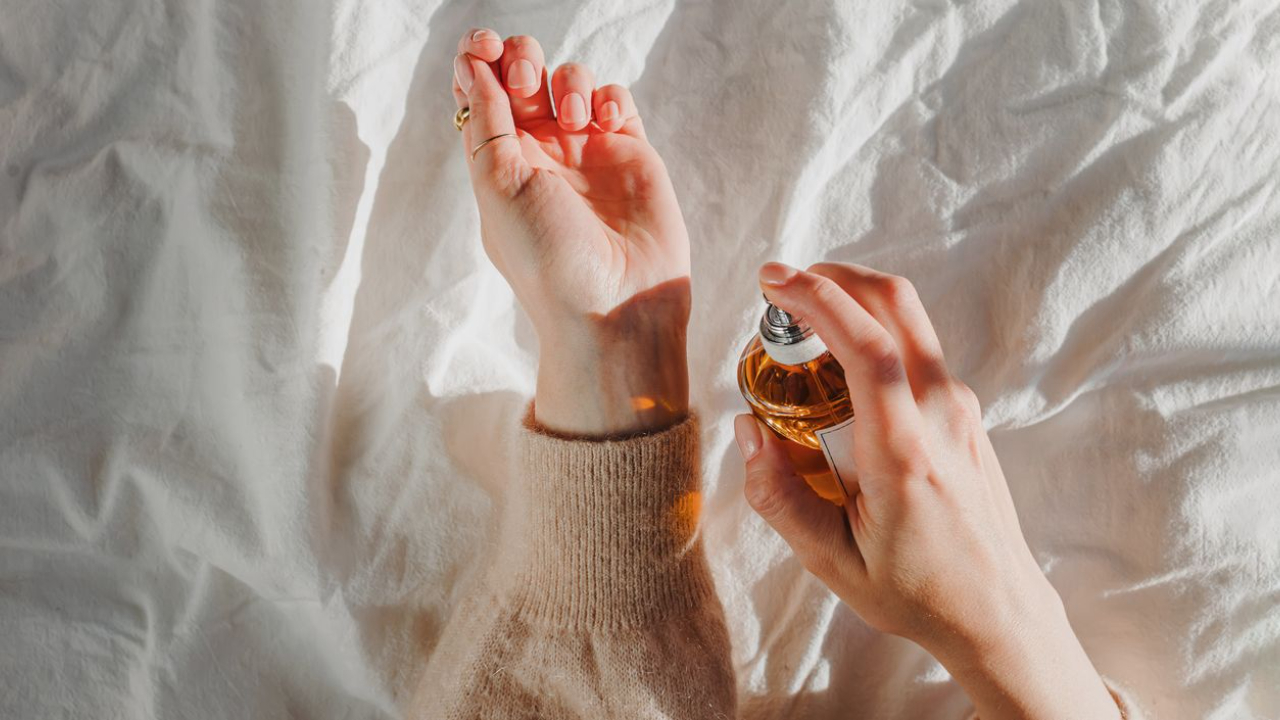
Have you ever walked into someone’s home, store, or car and been hit with a wall of artificial fragrances and felt a headache coming on almost instantly? You’re not alone.
One of the most frustrating things I encounter in everyday life is the overwhelming presence of synthetic fragrances in almost everything.
From garbage bags and lotions to soaps, shampoos, air fresheners, feminine care products, scented candles, and even so-called “natural” cleaners, these synthetic scents are everywhere. And while they may seem harmless, they carry serious consequences for our health, especially for women navigating complex hormone systems.
In this post, we’re exploring what makes artificial fragrances toxic, the adverse health effects you should be aware of, and why they matter so much for women’s hormone health. My hope is that this information empowers you to make informed decisions that support your long-term well-being and improve your indoor air quality.
What Are Artificial Fragrances?
“Artificial fragrance” (also labeled as “fragrance” or “parfum”) is a generic term for fragrance mixtures composed of dozens, sometimes hundreds, of synthetic chemicals that companies are not legally required to disclose on product labels. These fragrance chemicals are often petroleum-derived organic solvents designed to linger on the skin or in the air for long periods, contributing to poor indoor air quality. Unlike natural fragrances, which come from natural sources such as essential oils and natural perfumes, artificial fragrances contain complex mixtures of volatile organic compounds (VOCs) that can pose health risks.
One of the most problematic ingredients in these synthetic scents is a class of chemicals known as phthalates, which are known endocrine disruptors linked to serious health issues including hormone disruption, allergic contact dermatitis, and respiratory problems. These harmful chemicals linked to artificial fragrances can accumulate in the human body and are especially concerning for vulnerable populations such as women, children, and those with pre-existing health conditions.
The Hormone Disruptor Hiding in Your Lotion
Phthalates are common fragrance ingredients used in many personal care and household products to help synthetic scents last longer. These toxic chemicals are well-known endocrine disruptors, meaning they interfere with your body’s natural hormone system. This disruption is particularly concerning for women between the ages of 30 and 60, who may already be dealing with hormone-related symptoms such as mood swings, irregular cycles, perimenopause, or thyroid dysfunction.
If you've ever wondered, Do fragrances affect hormones? the answer is a resounding yes—especially when phthalates and synthetic musks are involved. These hormone disrupting chemicals interfere with the delicate endocrine systems that regulate everything from your mood to metabolism, fertility, and energy levels.
According to a report by the Campaign for Safe Cosmetics, exposure to phthalates through fragranced products and chemical products has been linked to a range of harmful effects, including:
- Reduced fertility
- Disrupted ovulation
- Early puberty
- Hormone-sensitive cancers, such as breast cancer
- Endometriosis
- Thyroid disorders
Even small, repeated exposures to these potentially harmful chemicals can accumulate in the body over time. These chemicals are absorbed through the skin and inhaled through the respiratory tract via indoor air pollution from scented products, making them especially difficult to avoid.
The Side Effects of Artificial Fragrances Go Beyond Hormones
While hormone disruption is one of the most concerning risks linked to synthetic fragrances, the adverse health effects of artificial fragrances extend far beyond the endocrine system. Many people experience fragrance sensitivity symptoms, including allergic reactions such as skin irritation and allergic contact dermatitis, as well as headaches, dizziness, rashes, respiratory problems, brain fog, and even digestive upset. These reactions are often dismissed as unrelated health issues but may be clear signs of fragrance toxicity.
Common symptoms of fragrance sensitivity and exposure to harmful fragrance compounds include:
- Chronic or recurring headaches and migraines
- Skin irritation, eczema flare-ups, and allergic contact dermatitis
- Itchy, watery eyes or sinus congestion
- Fatigue, difficulty concentrating, and brain fog
- Shortness of breath, coughing, and other respiratory problems
The presence of volatile organic compounds (VOCs) and endocrine-disrupting chemicals in artificial fragrances contributes to poor indoor air quality, which can exacerbate these symptoms. Exposure to fragrance chemicals found in everyday consumer products such as personal care products, household cleaners, laundry detergents, scented candles, and air fresheners increases the risk of these adverse health effects.
This growing concern has prompted many women and vulnerable populations to seek safer alternatives, such as fragrance-free products or those scented with natural oils and essential oils. Reducing exposure to synthetic scents and toxic chemicals is crucial for improving indoor air quality and protecting the nervous system and overall health.
Why Artificial Fragrances are the “New Secondhand Smoke”
Every time I smell an artificial fragrance, I think about my daughters and how these synthetic chemicals might affect their developing hormonal systems. I think about pregnant women and their babies in utero. I think about families trying to conceive, and about the many women dealing with conditions like PCOS, fibroids, or endometriosis.
That’s why I often say artificial fragrances are the new secondhand smoke. They are everywhere in everyday products, from personal care items to household cleaners. They are invisible but pervasive, and they deserve just as much public awareness and concern as tobacco once did.
In fact, the Endocrine Society has published research linking endocrine-disrupting chemicals (EDCs), including phthalates, dioxins, and bisphenol A (BPA), commonly found in artificial fragrances and fragrance materials, to a wide range of serious health problems. These include decreased egg quality and sperm count, breast cancer, uterine fibroids, infertility, abnormal development in children, and low birth weight.
The fragrance industry’s widespread use of synthetic chemicals in plastic containers and cleaning supplies contributes significantly to environmental pollution and poor indoor air quality. These harmful chemicals linked to artificial fragrances pose health risks by disrupting the hormone system and causing endocrine disruption in vulnerable populations.
Understanding the impact of artificial fragrances on our health and the environment is crucial for making informed choices to reduce exposure and protect ourselves and future generations.
How Are We Exposed to These Chemicals?
Endocrine-disrupting chemicals are found in a wide variety of products and environments, making exposure to artificial fragrances and harmful chemicals almost unavoidable. However, understanding the main sources of exposure can help you make informed choices to reduce your contact with these toxic chemicals and improve your indoor air quality.
We are most commonly exposed through five major areas:
- Diet: Many pesticides, plastic food containers, and artificial additives contain hormone-disrupting organic chemicals that can affect the human body.
- Air: Fragrance-filled candles, air fresheners, scented products, and indoor pollution release volatile organic compounds (VOCs) that contribute to poor indoor air quality and pose health risks.
- Water: Contaminants from industrial waste, pesticides, and plastic particles can be present in drinking water, adding to the chemical load.
- Topical Products: Personal care products such as skincare, haircare, deodorants, cosmetics, and laundry products often contain synthetic fragrances and other harmful ingredients that can cause skin irritation and allergic reactions.
- Community Environment: Social norms and environmental influences, including widespread use of fragranced products, can increase exposure and stress, especially in vulnerable populations.
Fragrance chemicals are pervasive across all these categories, making artificial fragrances one of the most widespread and difficult-to-avoid sources of toxic chemical exposure in everyday products.
What You Can Do to Reduce Exposure
It’s easy to feel overwhelmed when you learn just how widespread and toxic artificial fragrances are. But you don’t have to change everything overnight. Making small, intentional swaps over time is both realistic and effective for improving your indoor air quality and reducing exposure to harmful chemicals.
Here are some practical ways to reduce your exposure to synthetic fragrances and protect your health:
- Start by choosing fragrance-free or naturally scented personal care products. Look for items scented with pure essential oils rather than synthetic perfumes or fragrance mixtures containing volatile organic compounds (VOCs).
- Switch to non-toxic cleaning products. Brands that clearly label their ingredients and use plant-based, fragrance-free formulas help avoid harmful chemicals linked to hormone disruption and allergic reactions.
- Replace synthetic scented candles and air fresheners with beeswax candles or essential oil diffusers. These natural alternatives eliminate the unpleasant odor caused by artificial fragrances and improve fresh air quality in your home.
- Reevaluate your makeup and skincare products. Fragrance is often hidden in foundations, powders, moisturizers, and even lip balms, so opt for products labeled fragrance-free or with natural ingredients.
- Consider organic, unscented options for feminine hygiene products. Look for 100% cotton or certified organic brands without added scents or toxic chemicals.
- Filter your air and water. Investing in a quality air purifier and water filter can help remove volatile organic compounds and other harmful chemicals that would otherwise contribute to your toxic load.
By making these changes, you can significantly reduce your exposure to harmful chemicals found in artificial fragrances, improve indoor air quality, and support your overall health and hormone system.
How to Check Product Safety
Two essential resources I frequently recommend for checking the safety of products are:
- The Environmental Working Group (EWG) Skin Deep® database, which rates thousands of personal care items based on their ingredient safety, potential health hazards, and presence of harmful chemicals such as synthetic fragrances and endocrine disrupting chemicals.
- Made Safe, a certification program that helps consumers identify products made without known harmful chemicals, including synthetic fragrances, hormone disruptors like phthalates and musk ketone, and other toxic chemicals linked to poor indoor air quality.
Both tools are user-friendly and invaluable for making smarter choices when shopping for household cleaners, personal care products, laundry detergents, scented candles, air fresheners, and other everyday products containing fragrance compounds.
Using these resources empowers you to avoid products claiming to be safe but containing undisclosed harmful chemicals such as methylene chloride and other known carcinogens. By selecting fragrance-free or naturally scented items with essential oils instead of synthetic scents, you can significantly reduce your exposure to toxic chemicals and improve your indoor air quality.
Final Thoughts: Knowledge Is Power
If you’ve read this far, you’ve already taken a powerful step toward protecting your health and hormones from the harmful effects of artificial fragrances. Understanding the risks associated with synthetic fragrances and harmful chemicals is essential for improving your indoor air quality and reducing exposure to toxic chemicals found in everyday products.
You were never meant to be a dumping ground for synthetic chemicals, and with a little knowledge, you don’t have to be. Reducing exposure to artificial fragrances, synthetic scents, and fragrance chemicals is one of the simplest and most impactful ways to support your hormone system, fertility, brain function, and overall vitality.
Whether you’re trying to conceive, navigating perimenopause, or simply aiming to feel more energized, cutting back on fragranced products and choosing fragrance-free or essential oils-based alternatives can significantly improve your health and reduce the risk of allergic reactions, skin irritation, and hormone disruption.
Source:
https://pmc.ncbi.nlm.nih.gov/articles/PMC10051690/ https://pmc.ncbi.nlm.nih.gov/articles/PMC1533259/pdf/envhper00535-0024-color.pdf https://www.ewg.org/skindeep/learn_more/top-tips/ https://www.safecosmetics.org/resources/health-science/fragrance-disclosure/ https://ifrafragrance.org/priorities/ingredients/ifra-transparency-list https://pubmed.ncbi.nlm.nih.gov/27867426/ https://pmc.ncbi.nlm.nih.gov/articles/PMC8157593/ https://pubmed.ncbi.nlm.nih.gov/19502515/ https://www.mdpi.com/2673-396X/5/3/27 https://www.sciencedirect.com/science/article/abs/pii/S0306987716308623?via%3Dihub https://www.mdpi.com/2079-9284/11/2/33 https://onlinelibrary.wiley.com/doi/10.1002/ffj.1106 https://www.mdpi.com/2039-4713/13/1/10 https://www.frontiersin.org/journals/reproductive-health/articles/10.3389/frph.2025.1514060/full https://link.springer.com/article/10.1007/s40572-024-00455-6 https://www.mdpi.com/1422-0067/23/10/5710
Unlock Your Hormone Health With Our Free Checklist
You deserve to know what is going on with your body and to understand why (or even IF) you have hormonal imbalances.
So we created this FREE resource to help guide you with some of the top labs and tests to consider.